Once you get that life coaching certification, it doesn’t automatically establish confidence. The most well-regarded training can be full of resources, yet even those who excel in their studies to become life coaches often struggle to find their confidence out of the gate. As with most things, practice improves confidence, but having the support to get out there and start seeing clients is a significant and necessary step to building confidence as a life coach. It is expected to have butterflies in your stomach when you meet your new clients, especially your very first after getting certified, but trust the process and trust yourself. The gap between being qualified and feeling ready is completely normal and bridgeable. Confidence isn’t a personality trait that you were either handed at birth or that you weren’t. It’s a skill, and like every other coaching skill, it gets stronger the more you use it.
Confidence Is NOT Knowing Everything
As a life coach, accept that you won’t have all the answers, which is why working with a support program after certification is crucial. Many new coaches assume that being confident means walking into a session knowing exactly what to do in every scenario. They picture some unshakeable expert who always has the perfect insight ready to deliver. So, when they sit down with a client and feel uncertain, they lose confidence.
Coaching is helping the client find their answers, embracing those moments of not knowing what to do, and drawing on your training, which builds confident coaches. Uncertainty isn’t a flaw in coaching, and once you stop tying your confidence to having a plan for everything, it takes the pressure off.
Trust the Process and Yourself
When nervous, people’s instincts are to grip the wheel even harder. No matter how much one prepares and scripts out what could happen in a session, leaving room for the conversation to move and flow organically is a sign of a confident coach. Holding tighter to a plan can make sessions feel forced and often less effective for the client.
The frameworks you learned exist so that you never have to wing it. When you feel lost in the middle of a session, you don’t have to invent something brilliant on the spot. You can fall back on the basics instead. You can reflect on what you heard, ask an open question, get curious about what the client just said, and let a moment of silence breathe. Most of coaching is doing the fundamentals well, over and over again, while staying fully present with the person sitting in front of you.
Not Awkward Silence
New coaches can initially struggle with silence, but soon they discover it is quite natural in coaching sessions. A client pauses to think, three seconds tick by, and the coach panics and jumps in with another question just to fill the space. Silence is usually where the real thinking happens. When you rush to fill it, you accidentally interrupt the client’s process and signal that you’re feeling a little anxious. Learning to sit inside a quiet moment without flinching is one of the clearest signs of a confident coach.
You can try this in your next session. When your client goes quiet, count to five in your head before you say anything at all. It feels like an eternity the first few times you do it, but it won’t feel that way to your client. More often than not, they’ll fill the silence themselves with the very thing they needed to say.
Build Confidence Through Practice
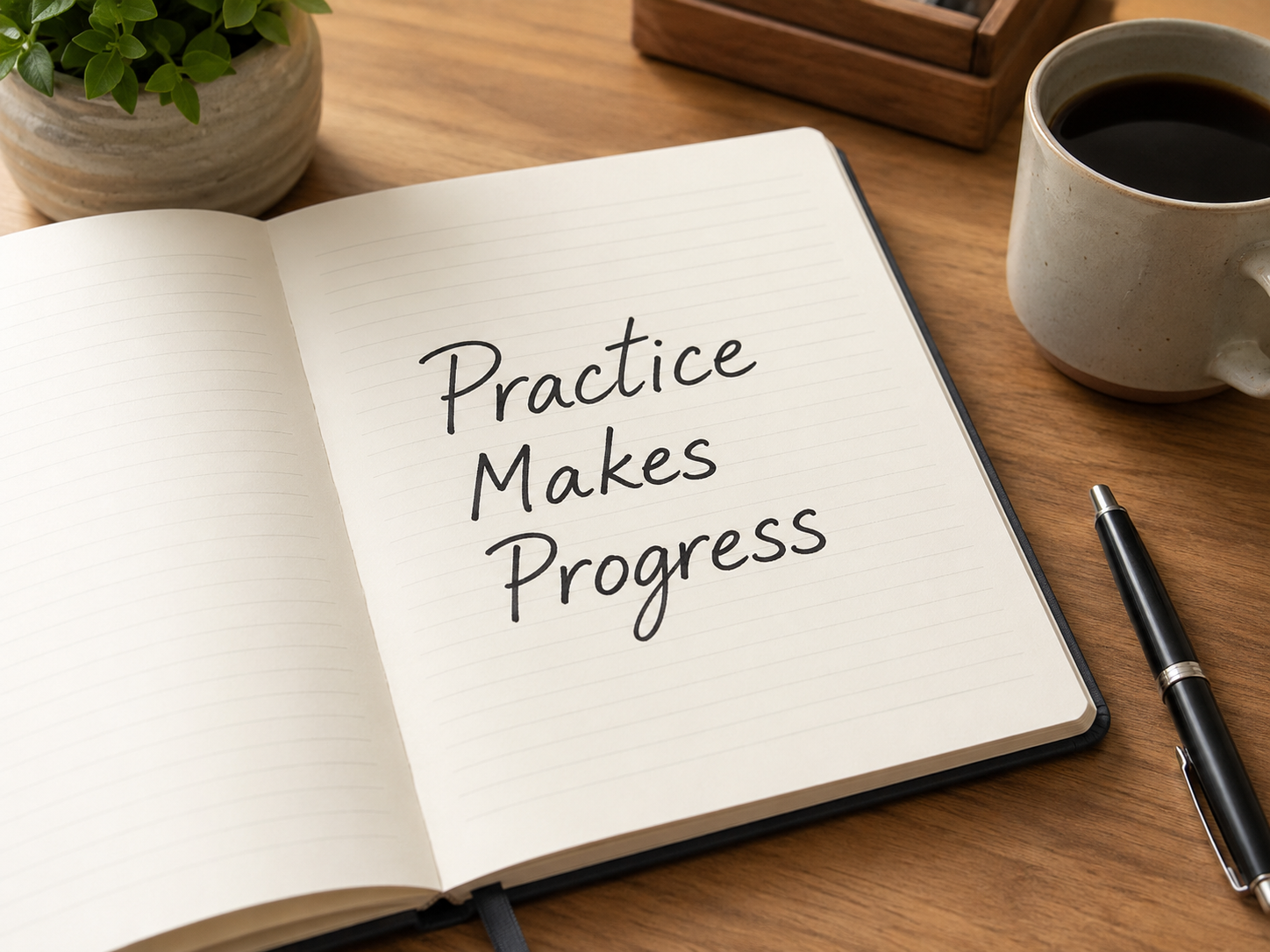
IN life coaching, the best way to build confidence is practice, practice, practice. Practice makes progress. Confidence comes from doing the thing repeatedly until it no longer feels foreign to you.
Practice with your peers. When you trade sessions with other coaches, you get low-stakes, real practice, and you also get to feel what the experience is like from the client’s side of the chair.
Partners Matter. Working with a reputable organization to get your certification and connecting with their resources is essential, and that is what Life Purpose Institute
Debrief after every session. Jot down a few quick notes on what landed, what you’d do differently next time, and one thing you genuinely did well. That last part matters more than you’d think, so don’t skip the wins.
Get coached yourself. Working through your own confidence issues with a coach does double duty: you grow as a person, and you also get to watch a professional model the calm you’re building toward.
Nerves Are NOT Bad
Even life coaches who seem to be radiating confidence still get nervous before a big session. Maybe a new client, or the first client in a new area, like executive coaching, can make even the most experienced coaches flitter. The difference is that they process that feeling differently, embracing it as energy that translates into their focus in their sessions. Toss out any preconceptions of having zero nerves in the first place. The goal is to coach well right alongside them. The more sessions you sit through, the more clearly you’ll see that the nervousness and the competence can absolutely coexist.
Confidence isn’t something you find before you start, because it’s something you build by starting. So go ahead and book the session and rest the training you worked hard for. Chances are, you are far more ready than you feel.